


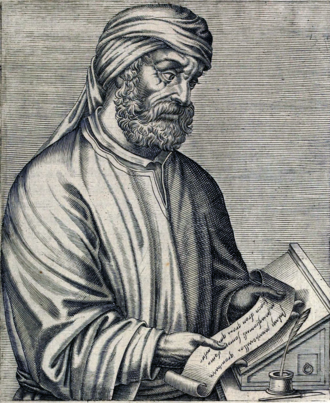
Tertullian · c. 155 – c. 220
Against Praxeas; Against Marcion; On Baptism; Apology
c. 197–213 · Ante-Nicene Fathers vol. 3 (1885) · translated from the Latin
90pages
32 h 39 minreading time
496passages linked to Scripture
4,826links to verses
Contents
- Apology.1
- Chapter I.1
- Chapter II.1
- Chapter III.1
- Chapter IV.1
- Chapter V.1
- Chapter VI.1
- Chapter VII.2
- Chapter VIII.2
- Chapter IX.2
- Chapter X.2
- Chapter XI.2
- Chapter XII.2
- Chapter XIII.2
- Chapter XIV.3
- Chapter XV.3
- Chapter XVI.3
- Chapter XVII.3
- Chapter XVIII.3
- Chapter XIX.3
- Chapter XX.3
- Chapter XXI.3
- Chapter XXII.4
- Chapter XXIII.4
- Chapter XXIV.4
- Chapter XXV.4
- Chapter XXVI.4
- Chapter XXVII.4
- Chapter XXVIII.4
- Chapter XXIX.4
- Chapter XXX.4
- Chapter XXXI.5
- Chapter XXXII.5
- Chapter XXXIII.5
- Chapter XXXIV.5
- Chapter XXXV.5
- Chapter XXXVI.5
- Chapter XXXVII.5
- Chapter XXXVIII.5
- Chapter XXXIX.5
- Chapter XL.5
- Chapter XLI.5
- Chapter XLII.6
- Chapter XLIII.6
- Chapter XLIV.6
- Chapter XLV.6
- Chapter XLVI.6
- Chapter XLVII.6
- Chapter XLVIII.6
- Chapter XLIX.6
- Chapter L.6
- On Idolatry.7
- Chapter I.—Wide Scope of the Word Idolatry.7
- Chapter II.—Idolatry in Its More Limited Sense. Its Copiousness.7
- Chapter III.—Idolatry: Origin and Meaning of the Name.7
- Chapter IV.—Idols Not to Be Made, Much Less Worshipped. Idols and Idol-Makers in the Same Category.7
- Chapter V. —Sundry Objections or Excuses Dealt with.7
- Chapter VI.—Idolatry Condemned by Baptism. To Make an Idol Is, in Fact, to Worship It.7
- Chapter VII.—Grief of the Faithful at the Admission of Idol-Makers into the Church; Nay, Even into the Ministry.7
- Chapter VIII.—Other Arts Made Subservient to Idolatry. Lawful Means of Gaining a Livelihood Abundant.7
- Chapter IX.—Professions of Some Kinds Allied to Idolatry. Of Astrology in Particular.7
- Chapter X.—Of Schoolmasters and Their Difficulties.7
- Chapter XI.—Connection Between Covetousness and Idolatry. Certain Trades, However Gainful, to Be Avoided.7
- Chapter XII.—Further Answers to the Plea, How Am I to Live?7
- Chapter XIII.—Of the Observance of Days Connected with Idolatry.8
- Chapter XIV.—Of Blasphemy. One of St. Paul's Sayings.8
- Chapter XV.—Concerning Festivals in Honour of Emperors, Victories, and the Like. Examples of the Three Children and Dan8
- Chapter XVI.—Concerning Private Festivals.8
- Chapter XVII.—The Cases of Servants and Other Officials. What Offices a Christian Man May Hold.8
- Chapter XVIII.—Dress as Connected with Idolatry.8
- Chapter XIX.—Concerning Military Service.8
- Chapter XX.—Concerning Idolatry in Words.8
- Chapter XXI.—Of Silent Acquiescence in Heathen Formularies.8
- Chapter XXII.—Of Accepting Blessing in the Name of Idols.8
- Chapter XXIII.—Written Contracts in the Name of Idols. Tacit Consent.8
- Chapter XXIV.—General Conclusion.8
- The Shows, or De Spectaculis.9
- Chapter I.9
- Chapter II.9
- Chapter III.9
- Chapter IV.9
- Chapter V.9
- Chapter VI.9
- Chapter VII.9
- Chapter VIII.9
- Chapter IX.9
- Chapter X.9
- Chapter XI.9
- Chapter XII.9
- Chapter XIII.10
- Chapter XIV.10
- Chapter XV.10
- Chapter XVI.10
- Chapter XVII.10
- Chapter XVIII.10
- Chapter XIX.10
- Chapter XX.10
- Chapter XXI.10
- Chapter XXII.10
- Chapter XXIII.10
- Chapter XXIV.10
- Chapter XXV.10
- Chapter XXVI.10
- Chapter XXVII.10
- Chapter XXVIII.10
- Chapter XXIX.10
- Chapter XXX.10
- The Chaplet, or De Corona.11
- Chapter I.11
- Chapter II.11
- Chapter III.11
- Chapter IV.11
- Chapter V.11
- Chapter VI.11
- Chapter VII.11
- Chapter VIII.11
- Chapter IX.11
- Chapter X.11
- Chapter XI.12
- Chapter XII.12
- Chapter XIII.12
- Chapter XIV.12
- Chapter XV.12
- To Scapula.13
- Chapter I.13
- Chapter II.13
- Chapter III.13
- Chapter IV.13
- Chapter V.13
- Book I.14
- Chapter I. —The Hatred Felt by the Heathen Against the Christians is Unjust, Because Based on Culpable Ignorance.14
- Chapter II. —The Heathen Perverted Judgment in the Trial of Christians. They Would Be More Consistent If They Dis14
- Chapter III. —The Great Offence in the Christians Lies in Their Very Name. The Name Vindicated.14
- Chapter IV. —The Truth Hated in the Christians; So in Measure Was It, of Old, in Socrates. The Virtues of the Chr14
- Chapter V. —The Inconsistent Life of Any False Christian No More Condemns True Disciples of Christ, Than a Passin14
- Chapter VI. —The Innocence of the Christians Not Compromised by the Iniquitous Laws Which Were Made Against Them.14
- Chapter VII. —The Christians Defamed. A Sarcastic Description of Fame; Its Deception and Atrocious Slanders of th14
- Chapter VIII. —The Calumny Against the Christians Illustrated in the Discovery of Psammetichus. Refutation of the15
- Chapter IX. —The Christians are Not the Cause of Public Calamities: There Were Such Troubles Before Christianity.15
- Chapter X. —The Christians are Not the Only Contemners of the Gods. Contempt of Them Often Displayed by Heathen O15
- Chapter XI. —The Absurd Cavil of the Ass's Head Disposed of.15
- Chapter XII. —The Charge of Worshipping a Cross. The Heathens Themselves Made Much of Crosses in Sacred Things; N15
- Chapter XIII. —The Charge of Worshipping the Sun Met by a Retort.15
- Chapter XIV. —The Vile Calumny About Onocoetes Retorted on the Heathen by Tertullian.15
- Chapter XV. —The Charge of Infanticide Retorted on the Heathen.16
- Chapter XVI. —Other Charges Repelled by the Same Method. The Story of the Noble Roman Youth and His Parents.16
- Chapter XVII. —The Christian Refusal to Swear by the Genius of Cæsar. Flippancy and Irreverence Retorted on the H16
- Chapter XVIII. —Christians Charged with an Obstinate Contempt of Death. Instances of the Same are Found Amongst t16
- Chapter XIX. —If Christians and the Heathen Thus Resemble Each Other, There is Great Difference in the Grounds an16
- Chapter XX.—Truth and Reality Pertain to Christians Alone. The Heathen Counselled to Examine and Embrace It.16
- Book II.17
- Chapter I.—The Heathen Gods from Heathen Authorities. Varro Has Written a Work on the Subject. His Threefold Classifica17
- Chapter II.—Philosophers Had Not Succeeded in Discovering God. The Uncertainty and Confusion of Their Speculations.17
- Chapter III.—The Physical Philosophers Maintained the Divinity of the Elements; The Absurdity of the Tenet Exposed.17
- Chapter IV.—Wrong Derivation of the Word Theos. The Name Indicative of the True Deity. God Without Shape and Immaterial17
- Chapter V.—The Physical Theory Continued. Further Reasons Advanced Against the Divinity of the Elements.17
- Chapter VI.—The Changes of the Heavenly Bodies, Proof that They are Not Divine. Transition from the Physical to the Myt17
- Chapter VII.—The Gods of the Mythic Class. The Poets a Very Poor Authority in Such Matters. Homer and the Mythic Poets.17
- Chapter VIII.—The Gods of the Different Nations. Varro's Gentile Class. Their Inferiority. A Good Deal of This Perverse18
- Chapter IX.—The Power of Rome. Romanized Aspect of All the Heathen Mythology. Varro's Threefold Distribution Criticised18
- Chapter X.—A Disgraceful Feature of the Roman Mythology. It Honours Such Infamous Characters as Larentina.18
- Chapter XI.—The Romans Provided Gods for Birth, Nay, Even Before Birth, to Death. Much Indelicacy in This System.18
- Chapter XII. —The Original Deities Were Human—With Some Very Questionable Characteristics. Saturn or Time Was Hu18
- Chapter XIII. —The Gods Human at First. Who Had the Authority to Make Them Divine? Jupiter Not Only Human, But I18
- Chapter XIV.—Gods, Those Which Were Confessedly Elevated to the Divine Condition, What Pre-Eminent Right Had They to Su19
- Chapter XV.—The Constellations and the Genii Very Indifferent Gods. The Roman Monopoly of Gods Unsatisfactory. Other Na19
- Chapter XVI.—Inventors of Useful Arts Unworthy of Deification. They Would Be the First to Acknowledge a Creator. The Ar19
- Chapter XVII. —Conclusion, the Romans Owe Not Their Imperial Power to Their Gods. The Great God Alone Dispenses19
- An Answer to the Jews.20
- Chapter I.—Occasion of Writing. Relative Position of Jews and Gentiles Illustrated.20
- Chapter II.—The Law Anterior to Moses.20
- Chapter III.—Of Circumcision and the Supercession of the Old Law.20
- Chapter IV.—Of the Observance of the Sabbath.20
- Chapter V.—Of Sacrifices.20
- Chapter VI.—Of the Abolition and the Abolisher of the Old Law.20
- Chapter VII.—The Question Whether Christ Be Come Taken Up.20
- Chapter VIII.—Of the Times of Christ's Birth and Passion, and of Jerusalem's Destruction.21
- Chapter IX.—Of the Prophecies of the Birth and Achievements of Christ.21
- Chapter X.—Concerning the Passion of Christ, and Its Old Testament Predictions and Adumbrations.21
- Chapter XI.—Further Proofs, from Ezekiel. Summary of the Prophetic Argument Thus Far.22
- Chapter XII.—Further Proofs from the Calling of the Gentiles.22
- Chapter XIII.—Argument from the Destruction of Jerusalem and Desolation of Judea.22
- Chapter XIV.—Conclusion. Clue to the Error of the Jews.22
- The Soul's Testimony.23
- Chapter I.23
- Chapter II.23
- Chapter III.23
- Chapter IV.23
- Chapter V.23
- Chapter VI.23
- A Treatise on the Soul.24
- Chapter I.—It is Not to the Philosophers that We Resort for Information About the Soul But to God.24
- Chapter II.—The Christian Has Sure and Simple Knowledge Concerning the Subject Before Us.24
- Chapter III.—The Soul's Origin Defined Out of the Simple Words of Scripture.24
- Chapter IV.—In Opposition to Plato, the Soul Was Created and Originated at Birth.24
- Chapter V.—Probable View of the Stoics, that the Soul Has a Corporeal Nature.24
- Chapter VI.—The Arguments of the Platonists for the Soul's Incorporeality, Opposed, Perhaps Frivolously.24
- Chapter VII.—The Soul's Corporeality Demonstrated Out of the Gospels.24
- Chapter VIII.—Other Platonist Arguments Considered.24
- Chapter IX.—Particulars of the Alleged Communication to a Montanist Sister.25
- Chapter X.—The Simple Nature of the Soul is Asserted with Plato. The Identity of Spirit and Soul.25
- Chapter XI.—Spirit—A Term Expressive of an Operation of the Soul, Not of Its Nature. To Be Carefully Distinguished fro25
- Chapter XII.—Difference Between the Mind and the Soul, and the Relation Between Them.25
- Chapter XIII.—The Soul's Supremacy.25
- Chapter XIV.—The Soul Variously Divided by the Philosophers; This Division is Not a Material Dissection.25
- Chapter XV.—The Soul's Vitality and Intelligence. Its Character and Seat in Man.25
- Chapter XVI.—The Soul's Parts. Elements of the Rational Soul.26
- Chapter XVII.—The Fidelity of the Senses, Impugned by Plato, Vindicated by Christ Himself.26
- Chapter XVIII.—Plato Suggested Certain Errors to the Gnostics. Functions of the Soul.26
- Chapter XIX.—The Intellect Coeval with the Soul in the Human Being. An Example from Aristotle Converted into Evidence F26
- Chapter XX.—The Soul, as to Its Nature Uniform, But Its Faculties Variously Developed. Varieties Only Accidental.27
- Chapter XXI.—As Free-Will Actuates an Individual So May His Character Change.27
- Chapter XXII.—Recapitulation. Definition of the Soul.27
- Chapter XXIII.—The Opinions of Sundry Heretics Which Originate Ultimately with Plato.27
- Chapter XXIV.—Plato's Inconsistency. He Supposes the Soul Self-Existent, Yet Capable of Forgetting What Passed in a Pre27
- Chapter XXV.—Tertullian Refutes, Physiologically, the Notion that the Soul is Introduced After Birth.27
- Chapter XXVI.—Scripture Alone Offers Clear Knowledge on the Questions We Have Been Controverting.27
- Chapter XXVII.—Soul and Body Conceived, Formed and Perfected in Element Simultaneously.28
- Chapter XXVIII.—The Pythagorean Doctrine of Transmigration Sketched and Censured.28
- Chapter XXIX.—The Pythagorean Doctrine Refuted by Its Own First Principle, that Living Men are Formed from the Dead.28
- Chapter XXX.—Further Refutation of the Pythagorean Theory. The State of Contemporary Civilisation.28
- Chapter XXXI.—Further Exposure of Transmigration, Its Inextricable Embarrassment.28
- Chapter XXXII.—Empedocles Increased the Absurdity of Pythagoras by Developing the Posthumous Change of Men into Various28
- Chapter XXXIII.—The Judicial Retribution of These Migrations Refuted with Raillery.28
- Chapter XXXIV.—These Vagaries Stimulated Some Profane Corruptions of Christianity. The Profanity of Simon Magus Condemn29
- Chapter XXXV.—The Opinions of Carpocrates, Another Offset from the Pythagorean Dogmas, Stated and Confuted.29
- Chapter XXXVI.—The Main Points of Our Author's Subject. On the Sexes of the Human Race.29
- Chapter XXXVII.—On the Formation and State of the Embryo. Its Relation with the Subject of This Treatise.29
- Chapter XXXVIII.—On the Growth of the Soul. Its Maturity Coincident with the Maturity of the Flesh in Man.29
- Chapter XXXIX.—The Evil Spirit Has Marred the Purity of the Soul from the Very Birth.29
- Chapter XL.—The Body of Man Only Ancillary to the Soul in the Commission of Evil.29
- Chapter XLI.—Notwithstanding the Depravity of Man's Soul by Original Sin, There is Yet Left a Basis Whereon Divine Grac29
- Chapter XLII.—Sleep, the Mirror of Death, as Introductory to the Consideration of Death.29
- Chapter XLIII.—Sleep a Natural Function as Shown by Other Considerations, and by the Testimony of Scripture.30
- Chapter XLIV.—The Story of Hermotimus, and the Sleeplessness of the Emperor Nero. No Separation of the Soul from the Bo30
- Chapter XLV.—Dreams, an Incidental Effect of the Soul's Activity. Ecstasy.30
- Chapter XLVI.—Diversity of Dreams and Visions. Epicurus Thought Lightly of Them, Though Generally Most Highly Valued. I30
- Chapter XLVII.—Dreams Variously Classified. Some are God-Sent, as the Dreams of Nebuchadnezzar; Others Simply Products30
- Chapter XLVIII.—Causes and Circumstances of Dreams. What Best Contributes to Efficient Dreaming.30
- Chapter XLIX.—No Soul Naturally Exempt from Dreams.30
- Chapter L.—The Absurd Opinion of Epicurus and the Profane Conceits of the Heretic Menander on Death, Even Enoch and Eli30
- Chapter LI.—Death Entirely Separates the Soul from the Body.31
- Chapter LII.—All Kinds of Death a Violence to Nature, Arising from Sin.—Sin an Intrusion Upon Nature as God Created It31
- Chapter LIII.—The Entire Soul Being Indivisible Remains to the Last Act of Vitality; Never Partially or Fractionally Wi31
- Chapter LIV.—Whither Does the Soul Retire When It Quits the Body? Opinions of Philosophers All More or Less Absurd. The31
- Chapter LV.—The Christian Idea of the Position of Hades; The Blessedness of Paradise Immediately After Death. The Privi31
- Chapter LVI.—Refutation of the Homeric View of the Soul's Detention from Hades Owing to the Body's Being Unburied. That31
- Chapter LVII.—Magic and Sorcery Only Apparent in Their Effects. God Alone Can Raise the Dead.31
- Chapter LVIII.—Conclusion. Points Postponed. All Souls are Kept in Hades Until the Resurrection, Anticipating Their Ult32
- The Prescription Against Heretics.32
- Chapter I.—Introductory. Heresies Must Exist, and Even Abound; They are a Probation to Faith.32
- Chapter II.—Analogy Between Fevers and Heresies. Heresies Not to Be Wondered At: Their Strength Derived from Weakness o32
- Chapter III.—Weak People Fall an Easy Prey to Heresy, Which Derives Strength from the General Frailty of Mankind. Emine32
- Chapter IV.—Warnings Against Heresy Given Us in the New Testament. Sundry Passages Adduced. These Imply the Possibility32
- Chapter V.—Heresy, as Well as Schism and Dissension, Disapproved by St. Paul, Who Speaks of the Necessity of Heresies,32
- Chapter VI.—Heretics are Self-Condemned. Heresy is Self-Will, Whilst Faith is Submission of Our Will to the Divine Auth32
- Chapter VII.—Pagan Philosophy the Parent of Heresies. The Connection Between Deflections from Christian Faith and the O32
- Chapter VIII.—Christ's Word, Seek, and Ye Shall Find, No Warrant for Heretical Deviations from the Faith. All Christ's32
- Chapter IX.—The Research After Definite Truth Enjoined on Us. When We Have Discovered This, We Should Be Content.32
- Chapter X.—One Has Succeeded in Finding Definite Truth, When He Believes. Heretical Wits are Always Offering Many Thing32
- Chapter XI.—After We Have Believed, Search Should Cease; Otherwise It Must End in a Denial of What We Have Believed. No32
- Chapter XII.—A Proper Seeking After Divine Knowledge, Which Will Never Be Out of Place or Excessive, is Always Within t32
- Chapter XIII.—Summary of the Creed, or Rule of Faith. No Questions Ever Raised About It by Believers. Heretics Encourag32
- Chapter XIV.—Curiosity Ought Not Range Beyond the Rule of Faith. Restless Curiosity, the Feature of Heresy.33
- Chapter XV.—Heretics Not to Be Allowed to Argue Out of the Scriptures. The Scriptures, in Fact, Do Not Belong to Them.33
- Chapter XVI.—Apostolic Sanction to This Exclusion of Heretics from the Use of the Scriptures. Heretics, According to th33
- Chapter XVII.—Heretics, in Fact, Do Not Use, But Only Abuse, Scripture. No Common Ground Between Them and You.33
- Chapter XVIII.—Great Evil Ensues to the Weak in Faith, from Any Discussion Out of the Scriptures. Conviction Never Come33
- Chapter XIX.—Appeal, in Discussion of Heresy, Lies Not to the Scriptures. The Scriptures Belong Only to Those Who Have33
- Chapter XX.—Christ First Delivered the Faith. The Apostles Spread It; They Founded Churches as the Depositories Thereof33
- Chapter XXI.—All Doctrine True Which Comes Through the Church from the Apostles, Who Were Taught by God Through Christ.33
- Chapter XXII.—Attempt to Invalidate This Rule of Faith Rebutted. The Apostles Safe Transmitters of the Truth. Sufficien33
- Chapter XXIII.—The Apostles Not Ignorant. The Heretical Pretence of St. Peter's Imperfection Because He Was Rebuked by33
- Chapter XXIV.—St. Peter's Further Vindication. St. Paul Not Superior to St. Peter in Teaching. Nothing Imparted to the33
- Chapter XXV.—The Apostles Did Not Keep Back Any of the Deposit of Doctrine Which Christ Had Entrusted to Them. St. Paul33
- Chapter XXVI.—The Apostles Did in All Cases Teach the Whole Truth to the Whole Church. No Reservation, Nor Partial Comm33
- Chapter XXVII.—Granted that the Apostles Transmitted the Whole Doctrine of Truth, May Not the Churches Have Been Unfait33
- Chapter XXVIII.—The One Tradition of the Faith, Which is Substantially Alike in the Churches Everywhere, a Good Proof t33
- Chapter XXIX.—The Truth Not Indebted to the Care of the Heretics; It Had Free Course Before They Appeared. Priority of33
- Chapter XXX.—Comparative Lateness of Heresies. Marcion's Heresy. Some Personal Facts About Him. The Heresy of Apelles.33
- Chapter XXXI.—Truth First, Falsehood Afterwards, as Its Perversion. Christ's Parable Puts the Sowing of the Good Seed B34
- Chapter XXXII.—None of the Heretics Claim Succession from the Apostles. New Churches Still Apostolic, Because Their Fai34
- Chapter XXXIII.—Present Heresies (Seedlings of the Tares Noted by the Sacred Writers) Already Condemned in Scripture. T34
- Chapter XXXIV.—No Early Controversy Respecting the Divine Creator; No Second God Introduced at First. Heresies Condemne34
- Chapter XXXV.—Let Heretics Maintain Their Claims by a Definite and Intelligible Evidence. This the Only Method of Solvi34
- Chapter XXXVI.—The Apostolic Churches the Voice of the Apostles. Let the Heretics Examine Their Apostolic Claims, in Ea34
- Chapter XXXVII.—Heretics Not Being Christians, But Rather Perverters of Christ's Teaching, May Not Claim the Christian34
- Chapter XXXVIII.—Harmony of the Church and the Scriptures. Heretics Have Tampered with the Scriptures, and Mutilated, a34
- Chapter XXXIX.—What St. Paul Calls Spiritual Wickednesses Displayed by Pagan Authors, and by Heretics, in No Dissimilar34
- Chapter XL.—No Difference in the Spirit of Idolatry and of Heresy. In the Rites of Idolatry, Satan Imitated and Distort34
- Chapter XLI.—The Conduct of Heretics: Its Frivolity, Worldliness, and Irregularity. The Notorious Wantonness of Their W34
- Chapter XLII.—Heretics Work to Pull Down and to Destroy, Not to Edify and Elevate. Heretics Do Not Adhere Even to Their34
- Chapter XLIII.—Loose Company Preferred by Heretics. Ungodliness the Effect of Their Teaching the Very Opposite of Catho34
- Chapter XLIV.—Heresy Lowers Respect for Christ, and Destroys All Fear of His Great Judgment. The Tendency of Heretical34
- Wherein is described the god of Marcion. He is shown to be utterly wanting in all the attributes of the true God.35
- Chapter I.—Preface. Reason for a New Work. Pontus Lends Its Rough Character to the35
- Chapter II.—Marcion, Aided by Cerdon, Teaches a Duality of Gods; How He Constructed35
- Chapter III.—The Unity of God. He is the Supreme Being, and There Cannot Be a Secon35
- Chapter IV.—Defence of the Divine Unity Against Objection. No Analogy Between Human35
- Chapter V.—The Dual Principle Falls to the Ground; Plurality of Gods, of Whatever N35
- Chapter VI.—Marcion Untrue to His Theory. He Pretends that His Gods are Equal, But35
- Chapter VII.—Other Beings Besides God are in Scripture Called God. This Objection F35
- Chapter VIII.—Specific Points. The Novelty of Marcion's God Fatal to His Pretension35
- Chapter IX.—Marcion's Gnostic Pretensions Vain, for the True God is Neither Unknown35
- Chapter X.—The Creator Was Known as the True God from the First by His Creation. Ac35
- Chapter XI.—The Evidence for God External to Him; But the External Creation Which Y36
- Chapter XII.—Impossibility of Acknowledging God Without This External Evidence [24636
- Chapter XIII.—The Marcionites Depreciate the Creation, Which, However, is a Worthy36
- Chapter XIV.—All Portions of Creation Attest the Excellence of the Creator, Whom Ma36
- Chapter XV.—The Lateness of the Revelation of Marcion's God. The Question of the Pl36
- Chapter XVI.—Marcion Assumes the Existence of Two Gods from the Antithesis Between36
- Chapter XVII.—Not Enough, as the Marcionites Pretend, that the Supreme God Should R36
- Chapter XVIII.—Notwithstanding Their Conceits, the God of the Marcionites Fails in36
- Chapter XIX.—Jesus Christ, the Revealer of the Creator, Could Not Be the Same as Ma36
- Chapter XX.—Marcion, Justifying His Antithesis Between the Law and the Gospel by th36
- Chapter XXI.—St. Paul Preached No New God, When He Announced the Repeal of Some of37
- Chapter XXII.—God's Attribute of Goodness Considered as Natural; The God of Marcion37
- Chapter XXIII.—God's Attribute of Goodness Considered as Rational. Marcion's God De37
- Chapter XXIV.—The Goodness of Marcion's God Only Imperfectly Manifested; It Saves B37
- Chapter XXV.—God is Not a Being of Simple Goodness; Other Attributes Belong to Him.37
- Chapter XXVI.—In the Attribute of Justice, Marcion's God is Hopelessly Weak and Ung37
- Chapter XXVII.—Dangerous Effects to Religion and Morality of the Doctrine of So Wea37
- Chapter XXVIII.—This Perverse Doctrine Deprives Baptism of All Its Grace. If Marcio38
- Chapter XXIX.—Marcion Forbids Marriage. Tertullian Eloquently Defends It as Holy, a38
- Wherein Tertullian shows that the creator, or demiurge, whom Marcion calumniated, is the true and good God.38
- Chapter I.—The Methods of Marcion's Argument Incorrect and Absurd. The Proper Course of t38
- Chapter II.—The True Doctrine of God the Creator. The Heretics Pretended to a Knowledge o38
- Chapter III.—God Known by His Works. His Goodness Shown in His Creative Energy; But Everl38
- Chapter IV.—The Next Stage Occurs in the Creation of Man by the Eternal Word. Spiritual a38
- Chapter V.—Marcion's Cavils Considered. His Objection Refuted, I.e., Man's Fall Showed Fa38
- Chapter VI.—This Liberty Vindicated in Respect of Its Original Creation; Suitable Also fo38
- Chapter VII.—If God Had Anyhow Checked Man's Liberty, Marcion Would Have Been Ready with39
- Chapter VIII.—Man, Endued with Liberty, Superior to the Angels, Overcomes Even the Angel39
- Chapter IX.—Another Cavil Answered, I.e., the Fall Imputable to God, Because Man's Soul i39
- Chapter X.—Another Cavil Met, I.e., the Devil Who Instigated Man to Sin Himself the Creat39
- Chapter XI.—If, After Man's Sin, God Exercised His Attribute of Justice and Judgment, Thi39
- Chapter XII.—The Attributes of Goodness and Justice Should Not Be Separated. They are Com39
- Chapter XIII.—Further Description of the Divine Justice; Since the Fall of Man It Has Reg39
- Chapter XIV.—Evil of Two Kinds, Penal and Criminal. It is Not of the Latter Sort that God39
- Chapter XV.—The Severity of God Compatible with Reason and Justice. When Inflicted, Not M39
- Chapter XVI.—To the Severity of God There Belong Accessory Qualities, Compatible with Jus39
- Chapter XVII.—Trace God's Government in History and in His Precepts, and You Will Find It40
- Chapter XVIII.—Some of God's Laws Defended as Good, Which the Marcionites Impeached, Such40
- Chapter XIX.—The Minute Prescriptions of the Law Meant to Keep the People Dependent on Go40
- Chapter XX.—The Marcionites Charged God with Having Instigated the Hebrews to Spoil the E40
- Chapter XXI.—The Law of the Sabbath-Day Explained. The Eight Days' Procession Around Jeri40
- Chapter XXII.—The Brazen Serpent and the Golden Cherubim Were Not Violations of the Secon40
- Chapter XXIII.—God's Purposes in Election and Rejection of the Same Men, Such as King Sau40
- Chapter XXIV.—Instances of God's Repentance, and Notably in the Case of the Ninevites, Ac40
- Chapter XXV.—God's Dealings with Adam at the Fall, and with Cain After His Crime, Admirab40
- Chapter XXVI.—The Oath of God: Its Meaning. Moses, When Deprecating God's Wrath Against I41
- Chapter XXVII.—Other Objections Considered. God's Condescension in the Incarnation. Nothi41
- Chapter XXVIII.—The Tables Turned Upon Marcion, by Contrasts, in Favour of the True God.41
- Chapter XXIX.—Marcion's Own Antitheses, If Only the Title and Object of the Work Be Excep41
- Book III.42
- Chapter I.—Introductory; A Brief Statement of the Preceding Argument in Connection with the Subject of This Book.42
- Chapter II.—Why Christ's Coming Should Be Previously Announced.42
- Chapter III.—Miracles Alone, Without Prophecy, an Insufficient Evidence of Christ's Mission.42
- Chapter IV.—Marcion's Christ Not the Subject of Prophecy. The Absurd Consequences of This Theory of the Heretic.42
- Chapter V.—Sundry Features of the Prophetic Style: Principles of Its Interpretation.42
- Chapter VI.—Community in Certain Points of Marcionite and Jewish Error. Prophecies of Christ's Rejection Examined.42
- Chapter VII.—Prophecy Sets Forth Two Different Conditions of Christ, One Lowly, the Other Majestic. This Fact Points to42
- Chapter VIII.—Absurdity of Marcion's Docetic Opinions; Reality of Christ's Incarnation.42
- Chapter IX.—Refutation of Marcion's Objections Derived from the Cases of the Angels, and the Pre-Incarnate Manifestatio43
- Chapter X.—The Truly Incarnate State More Worthy of God Than Marcion's Fantastic Flesh.43
- Chapter XI.—Christ Was Truly Born; Marcion's Absurd Cavil in Defence of a Putative Nativity.43
- Chapter XII.—Isaiah's Prophecy of Emmanuel. Christ Entitled to that Name.43
- Chapter XIII.—Isaiah's Prophecies Considered. The Virginity of Christ's Mother a Sign. Other Prophecies Also Signs. Met43
- Chapter XIV.—Figurative Style of Certain Messianic Prophecies in the Psalms. Military Metaphors Applied to Christ.43
- Chapter XV.—The Title Christ Suitable as a Name of the Creator's Son, But Unsuited to Marcion's Christ.43
- Chapter XVI.—The Sacred Name Jesus Most Suited to the Christ of the Creator. Joshua a Type of Him.43
- Chapter XVII.—Prophecies in Isaiah and the Psalms Respecting Christ's Humiliation.44
- Chapter XVIII. —Types of the Death of Christ. Isaac; Joseph; Jacob Against Simeon and Levi; Moses Praying Agains44
- Chapter XIX.—Prophecies of the Death of Christ.44
- Chapter XX. —The Subsequent Influence of Christ's Death in the World Predicted. The Sure Mercies of David. What44
- Chapter XXI.—The Call of the Gentiles Under the Influence of the Gospel Foretold.44
- Chapter XXII.—The Success of the Apostles, and Their Sufferings in the Cause of the Gospel, Foretold.44
- Chapter XXIII.—The Dispersion of the Jews, and Their Desolate Condition for Rejecting Christ, Foretold.44
- Chapter XXIV.—Christ's Millennial and Heavenly Glory in Company with His Saints.45
- Book IV.45
- Chapter I.—Examination of the Antitheses of Marcion, Bringing Them to the Test of Marcion's Own Gospel. Certain True An45
- Chapter II.—St. Luke's Gospel, Selected by Marcion as His Authority, and Mutilated by Him. The Other Gospels Equally Au45
- Chapter III. —Marcion Insinuated the Untrustworthiness of Certain Apostles Whom St. Paul Rebuked. The Rebuke Sho45
- Chapter IV.—Each Side Claims to Possess the True Gospel. Antiquity the Criterion of Truth in Such a Matter. Marcion's P45
- Chapter V.—By the Rule of Antiquity, the Catholic Gospels are Found to Be True, Including the Real St. Luke's. Marcion'45
- Chapter VI.—Marcion's Object in Adulterating the Gospel. No Difference Between the Christ of the Creator and the Christ46
- Chapter VII.—Marcion Rejected the Preceding Portion of St. Luke's Gospel. Therefore This Review Opens with an Examinati46
- Chapter VIII.—Other Proofs from the Same Chapter, that Jesus, Who Preached at Nazareth, and Was Acknowledged by Certain46
- Chapter IX.—Out of St. Luke's Fifth Chapter are Found Proofs of Christ's Belonging to the Creator, E.g. In the Call of46
- Chapter X.—Further Proofs of the Same Truth in the Same Chapter, from the Healing of the Paralytic, and from the Design46
- Chapter XI.—The Call of Levi the Publican. Christ in Relation to the Baptist. Christ as the Bridegroom. The Parable of47
- Chapter XII.—Christ's Authority Over the Sabbath. As Its Lord He Recalled It from Pharisaic Neglect to the Original Pur47
- Chapter XIII.—Christ's Connection with the Creator Shown. Many Quotations Out of the Old Testament Prophetically Bear o47
- Chapter XIV.—Christ's Sermon on the Mount. In Manner and Contents It So Resembles the Creator's Dispensational Words an47
- Chapter XV.—Sermon on the Mount Continued. Its Woes in Strict Agreement with the Creator's Disposition. Many Quotations48
- Chapter XVI.—The Precept of Loving One's Enemies. It is as Much Taught in the Creator's Scriptures of the Old Testament48
- Chapter XVII.—Concerning Loans. Prohibition of Usury and the Usurious Spirit. The Law Preparatory to the Gospel in Its48
- Chapter XVIII.—Concerning the Centurion's Faith. The Raising of the Widow's Son. John Baptist, and His Message to Chris49
- Chapter XIX.—The Rich Women of Piety Who Followed Jesus Christ's Teaching by Parables. The Marcionite Cavil Derived fro49
- Chapter XX.—Comparison of Christ's Power Over Winds and Waves with Moses' Command of the Waters of the Red Sea and the49
- Chapter XXI.—Christ's Connection with the Creator Shown from Several Incidents in the Old Testament, Compared with St.49
- Chapter XXII.—The Same Conclusion Supported by the Transfiguration. Marcion Inconsistent in Associating with Christ in50
- Chapter XXIII.—Impossible that Marcion's Christ Should Reprove the Faithless Generation. Such Loving Consideration for50
- Chapter XXIV.—On the Mission of the Seventy Disciples, and Christ's Charge to Them. Precedents Drawn from the Old Testa50
- Chapter XXV.—Christ Thanks the Father for Revealing to Babes What He Had Concealed from the Wise. This Concealment Judi50
- Chapter XXVI.—From St. Luke's Eleventh Chapter Other Evidence that Christ Comes from the Creator. The Lord's Prayer and51
- Chapter XXVII.—Christ's Reprehension of the Pharisees Seeking a Sign. His Censure of Their Love of Outward Show Rather51
- Chapter XXVIII.—Examples from the Old Testament, Balaam, Moses, and Hezekiah, to Show How Completely the Instruction an51
- Chapter XXIX.—Parallels from the Prophets to Illustrate Christ's Teaching in the Rest of This Chapter of St. Luke. The51
- Chapter XXX.—Parables of the Mustard-Seed, and of the Leaven. Transition to the Solemn Exclusion Which Will Ensue When52
- Chapter XXXI.—Christ's Advice to Invite the Poor in Accordance with Isaiah. The Parable of the Great Supper a Pictorial52
- Chapter XXXII.—A Sort of Sorites, as the Logicians Call It, to Show that the Parables of the Lost Sheep and the Lost Dr52
- Chapter XXXIII.—The Marcionite Interpretation of God and Mammon Refuted. The Prophets Justify Christ's Admonition Again52
- Chapter XXXIV.—Moses, Allowing Divorce, and Christ Prohibiting It, Explained. John Baptist and Herod. Marcion's Attempt52
- Chapter XXXV.—The Judicial Severity of Christ and the Tenderness of the Creator, Asserted in Contradiction to Marcion.53
- Chapter XXXVI.—The Parables of the Importunate Widow, and of the Pharisee and the Publican. Christ's Answer to the Rich53
- Chapter XXXVII.—Christ and Zacchæus. The Salvation of the Body as Denied by Marcion. The Parable of the Ten Servants En53
- Chapter XXXVIII.—Christ's Refutations of the Pharisees. Rendering Dues to Cæsar and to God. Next of the Sadducees, Resp53
- Chapter XXXIX.—Concerning Those Who Come in the Name of Christ. The Terrible Signs of His Coming. He Whose Coming is So54
- Chapter XL.—How the Steps in the Passion of the Saviour Were Predetermined in Prophecy. The Passover. The Treachery of54
- Chapter XLI.—The Woe Pronounced on the Traitor a Judicial Act, Which Disproves Christ to Be Such as Marcion Would Have54
- Chapter XLII.—Other Incidents of the Passion Minutely Compared with Prophecy. Pilate and Herod. Barabbas Preferred to J54
- Chapter XLIII.—Conclusions. Jesus as the Christ of the Creator Proved from the Events of the Last Chapter of St. Luke.54
- Book V.55
- Chapter I.—Introductory. The Apostle Paul Himself Not the Preacher of a New God. Called by Jesus Christ, Although After55
- Chapter II.—On the Epistle to the Galatians. The Abolition of the Ordinances of the Mosaic Law No Proof of Another God.55
- Chapter III.—St. Paul Quite in Accordance with St. Peter and Other Apostles of the Circumcision. His Censure of St. Pet55
- Chapter IV.—Another Instance of Marcion's Tampering with St. Paul's Text. The Fulness of Time, Announced by the Apostle55
- Chapter V.—The First Epistle to the Corinthians. The Pauline Salutation of Grace and Peace Shown to Be Anti-Marcionite.56
- Chapter VI.—The Divine Way of Wisdom, and Greatness, and Might. God's Hiding of Himself, and Subsequent Revelation. To56
- Chapter VII.—St. Paul's Phraseology Often Suggested by the Jewish Scriptures. Christ Our Passover—A Phrase Which Intro56
- Chapter VIII.—Man the Image of the Creator, and Christ the Head of the Man. Spiritual Gifts. The Sevenfold Spirit Descr56
- Chapter IX.—The Doctrine of the Resurrection. The Body Will Rise Again. Christ's Judicial Character. Jewish Perversions57
- Chapter X.—Doctrine of the Resurrection of the Body, Continued. How are the Dead Raised? and with What Body Do They Com57
- Chapter XI.—The Second Epistle to the Corinthians. The Creator the Father of Mercies. Shown to Be Such in the Old Testa57
- Chapter XII.—The Eternal Home in Heaven. Beautiful Exposition by Tertullian of the Apostle's Consolatory Teaching Again58
- Chapter XIII.—The Epistle to the Romans. St. Paul Cannot Help Using Phrases Which Bespeak the Justice of God, Even When58
- Chapter XIV.—The Divine Power Shown in Christ's Incarnation. Meaning of St. Paul's Phrase. Likeness of Sinful Flesh. No58
- Chapter XV.—The First Epistle to the Thessalonians. The Shorter Epistles Pungent in Sense and Very Valuable. St. Paul U58
- Chapter XVI.—The Second Epistle to the Thessalonians. An Absurd Erasure of Marcion; Its Object Transparent. The Final J59
- Chapter XVII.—The Epistle to the Laodiceans. The Proper Designation is to the Ephesians. Recapitulation of All Things i59
- Chapter XVIII.—Another Foolish Erasure of Marcion's Exposed. Certain Figurative Expressions of the Apostle, Suggested b59
- Chapter XIX.—The Epistle to the Colossians. Time the Criterion of Truth and Heresy. Application of the Canon. The Image59
- Chapter XX.—The Epistle to the Philippians. The Variances Amongst the Preachers of Christ No Argument that There Was Mo60
- Chapter XXI.—The Epistle to Philemon. This Epistle Not Mutilated. Marcion's Inconsistency in Accepting This, and Reject60
- Containing an Argument Against His Opinion that Matter is Eternal.60
- Chapter I.—The Opinions of Hermogenes, by the Prescriptive Rule of Antiquity Shown to Be Heretical. Not Derived from Ch60
- Chapter II.—Hermogenes, After a Perverse Induction from Mere Heretical Assumptions, Concludes that God Created All Thin60
- Chapter III.—An Argument of Hermogenes. The Answer: While God is a Title Eternally Applicable to the Divine Being, Lord60
- Chapter IV.—Hermogenes Gives Divine Attributes to Matter, and So Makes Two Gods.60
- Chapter V.—Hermogenes Coquets with His Own Argument, as If Rather Afraid of It. After Investing Matter with Divine Qual60
- Chapter VI.—The Shifts to Which Hermogenes is Reduced, Who Deifies Matter, and Yet is Unwilling to Hold Him Equal with60
- Chapter VII.—Hermogenes Held to His Theory in Order that Its Absurdity May Be Exposed on His Own Principles.60
- Chapter VIII.—On His Own Principles, Hermogenes Makes Matter, on the Whole, Superior to God.60
- Chapter IX.—Sundry Inevitable But Intolerable Conclusions from the Principles of Hermogenes.60
- Chapter X.—To What Straits Hermogenes Absurdly Reduces the Divine Being. He Does Nothing Short of Making Him the Author61
- Chapter XI.—Hermogenes Makes Great Efforts to Remove Evil from God to Matter. How He Fails to Do This Consistently with61
- Chapter XII.—The Mode of Controversy Changed. The Premisses of Hermogenes Accepted, in Order to Show into What Confusio61
- Chapter XIII.—Another Ground of Hermogenes that Matter Has Some Good in It. Its Absurdity.61
- Chapter XIV.—Tertullian Pushes His Opponent into a Dilemma.61
- Chapter XV.—The Truth, that God Made All Things from Nothing, Rescued from the Opponent's Flounderings.61
- Chapter XVI.—A Series of Dilemmas. They Show that Hermogenes Cannot Escape from the Orthodox Conclusion.61
- Chapter XVII.—The Truth of God's Work in Creation. You Cannot Depart in the Least from It, Without Landing Yourself in61
- Chapter XVIII.—An Eulogy on the Wisdom and Word of God, by Which God Made All Things of Nothing.61
- Chapter XIX.—An Appeal to the History of Creation. True Meaning of the Term Beginning, Which the Heretic Curiously Wres61
- Chapter XX.—Meaning of the Phrase—In the Beginning. Tertullian Connects It with the Wisdom of God, and Elicits from It61
- Chapter XXI.—A Retort of Heresy Answered. That Scripture Should in So Many Words Tell Us that the World Was Made of Not61
- Chapter XXII.—This Conclusion Confirmed by the Usage of Holy Scripture in Its History of the Creation. Hermogenes in Da62
- Chapter XXIII.—Hermogenes Pursued to Another Passage of Scripture. The Absurdity of His Interpretation Exposed.62
- Chapter XXIV.—Earth Does Not Mean Matter as Hermogenes Would Have It.62
- Chapter XXV.—The Assumption that There are Two Earths Mentioned in the History of the Creation, Refuted.62
- Chapter XXVI.—The Method Observed in the History of the Creation, in Reply to the Perverse Interpretation of Hermogenes62
- Chapter XXVII.—Some Hair-Splitting Use of Words in Which His Opponent Had Indulged.62
- Chapter XXVIII.—A Curious Inconsistency in Hermogenes Exposed. Certain Expressions in The History of Creation Vindicate62
- Chapter XXIX.—The Gradual Development of Cosmical Order Out of Chaos in the Creation, Beautifully Stated.62
- Chapter XXX.—Another Passage in the Sacred History of the Creation, Released from the Mishandling of Hermogenes.62
- Chapter XXXI.—A Further Vindication of the Scripture Narrative of the Creation, Against a Futile View of Hermogenes.62
- Chapter XXXII.—The Account of the Creation in Genesis a General One, Corroborated, However, by Many Other Passages of t62
- Chapter XXXIII.—Statement of the True Doctrine Concerning Matter. Its Relation to God's Creation of the World.62
- Chapter XXXIV.—A Presumption that All Things Were Created by God Out of Nothing Afforded by the Ultimate Reduction of A62
- Chapter XXXV.—Contradictory Propositions Advanced by Hermogenes Respecting Matter and Its Qualities.63
- Chapter XXXVI.—Other Absurd Theories Respecting Matter and Its Incidents Exposed in an Ironical Strain. Motion in Matte63
- Chapter XXXVII.—Ironical Dilemmas Respecting Matter, and Sundry Moral Qualities Fancifully Attributed to It.63
- Chapter XXXIII.—Other Speculations of Hermogenes, About Matter and Some of Its Adjuncts, Shown to Be Absurd. For Instan63
- Chapter XXXIX.—These Latter Speculations Shown to Be Contradictory to the First Principles Respecting Matter, Formerly63
- Chapter XL.—Shapeless Matter an Incongruous Origin for God's Beautiful Cosmos. Hermogenes Does Not Mend His Argument by63
- Chapter XLI.—Sundry Quotations from Hermogenes. Now Uncertain and Vague are His Speculations Respecting Motion in Matte63
- Chapter XLII.—Further Exposure of Inconsistencies in the Opinions of Hermogenes Respecting the Divine Qualities of Matt63
- Chapter XLIII.—Other Discrepancies Exposed and Refuted Respecting the Evil in Matter Being Changed to Good.63
- Chapter XLIV.—Curious Views Respecting God's Method of Working with Matter Exposed. Discrepancies in the Heretic's Opin63
- Chapter XLV.—Conclusion. Contrast Between the Statements of Hermogenes and the Testimony of Holy Scripture Respecting t63
- Against the Valentinians64
- Chapter I.—Introductory. Tertullian Compares the Heresy to the Old Eleusinian Mysteries. Both Systems Alike in Preferri64
- Chapter II.—These Heretics Brand the Christians as Simple Persons. The Charge Accepted, and Simplicity Eulogized Out of64
- Chapter III.—The Folly of This Heresy. It Dissects and Mutilates the Deity. Contrasted with the Simple Wisdom of True R64
- Chapter IV.—The Heresy Traceable to Valentinus, an Able But Restless Man. Many Schismatical Leaders of the School Menti64
- Chapter V.—Many Eminent Christian Writers Have Carefully and Fully Refuted the Heresy. These the Author Makes His Own G64
- Chapter VI.—Although Writing in Latin He Proposes to Retain the Greek Names of the Valentinian Emanations of Deity. Not64
- Chapter VII.—The First Eight Emanations, or Æons, Called the Ogdoad, are the Fountain of All the Others. Their Names an64
- Chapter VIII.—The Names and Descent of Other Æons; First Half a Score, Then Two More, and Ultimately a Dozen Besides. T64
- Chapter IX.—Other Capricious Features in the System. The Æons Unequal in Attributes. The Superiority of Nus; The Vagari64
- Chapter X.—Another Account of the Strange Aberrations of Sophia, and the Restraining Services of Horus. Sophia Was Not64
- Chapter XI.—The Profane Account Given of the Origin of Christ and the Holy Ghost Sternly Rebuked. An Absurdity Respecti64
- Chapter XII.—The Strange Jumble of the Pleroma. The Frantic Delight of the Members Thereof. Their Joint Contribution of64
- Chapter XIII.—First Part of the Subject, Touching the Constitution of the Pleroma, Briefly Recapitulated. Transition to65
- Chapter XIV.—The Adventures of Achamoth Outside the Pleroma. The Mission of Christ in Pursuit of Her. Her Longing for C65
- Chapter XV.—Strange Account of the Origin of Matter, from the Various Affections of Achamoth. The Waters from Her Tears65
- Chapter XVI.—Achamoth Purified from All Impurities of Her Passion by the Paraclete, Acting Through Soter, Who Out of th65
- Chapter XVII.—Achamoth in Love with the Angels. A Protest Against the Lascivious Features of Valentinianism. Achamoth B65
- Chapter XVIII.—Blasphemous Opinion Concerning the Origin of the Demiurge, Supposed to Be the Creator of the Universe.65
- Chapter XIX.—Palpable Absurdities and Contradictions in the System Respecting Achamoth and the Demiurge.65
- Chapter XX—The Demiurge Works Away at Creation, as the Drudge of His Mother Achamoth, in Ignorance All the While of the65
- Chapter XXI.—The Vanity as Well as Ignorance of the Demiurge. Absurd Results from So Imperfect a Condition.65
- Chapter XXII.—Origin of the Devil, in the Criminal Excess of the Sorrow of Achamoth. The Devil, Called Also Munditenens65
- Chapter XXIII.—The Relative Positions of the Pleroma. The Region of Achamoth, and the Creation of the Demiurge. The Add65
- Chapter XXIV.—The Formation of Man by the Demiurge. Human Flesh Not Made of the Ground, But of a Nondescript Philosophi65
- Chapter XXV.—An Extravagant Way of Accounting for the Communication of the Spiritual Nature to Man. It Was Furtively Ma65
- Chapter XXVI.—The Three Several Natures—The Material, the Animal, and the Spiritual, and Their Several Destinations. T65
- Chapter XXVII.—The Christ of the Demiurge, Sent into the World by the Virgin. Not of Her. He Found in Her, Not a Mother65
- Chapter XXVIII.—The Demiurge Cured of His Ignorance by the Saviour's Advent, from Whom He Hears of the Great Future in65
- Chapter XXIX.—The Three Natures Again Adverted to. They are All Exemplified Amongst Men. For Instance, by Cain, and Abe65
- Chapter XXX.—The Lax and Dangerous Views of This Sect Respecting Good Works. That These are Unnecessary to the Spiritua65
- Chapter XXXI.—At the Last Day Great Changes Take Place Amongst the Æons as Well as Among Men. How Achamoth and the Demi65
- Chapter XXXII.—Indignant Irony Exposing the Valentinian Fable About the Judicial Treatment of Mankind at the Last Judgm66
- Chapter XXXIII.—These Remaining Chapters an Appendix to the Main Work. In This Chapter Tertullian Notices a Difference66
- Chapter XXXIV.—Other Varying Opinions Among the Valentinians Respecting the Deity, Characteristic Raillery.66
- Chapter XXXV.—Yet More Discrepancies. Just Now the Sex of Bythus Was an Object of Dispute; Now His Rank Comes in Questi66
- Chapter XXXVI.—Less Reprehensible Theories in the Heresy. Bad is the Best of Valentinianism.66
- Chapter XXXVII.—Other Turgid and Ridiculous Theories About the Origin of the Æons and Creation, Stated and Condemned.66
- Chapter XXXVIII.—Diversity in the Opinions of Secundus, as Compared with the General Doctrine of Valentinus.66
- Chapter XXXIX.—Their Diversity of Sentiment Affects the Very Central Doctrine of Christianity, Even the Person and Char66
- On the Flesh of Christ66
- Chapter I.—The General Purport of This Work. The Heretics, Marcion, Apelles, and Valentinus, Wishing to Impugn the Doct66
- Chapter II.—Marcion, Who Would Blot Out the Record of Christ's Nativity, is Rebuked for So Startling a Heresy.66
- Chapter III.—Christ's Nativity Both Possible and Becoming. The Heretical Opinion of Christ's Apparent Flesh Deceptive a66
- Chapter IV.—God's Honour in the Incarnation of His Son Vindicated. Marcion's Disparagement of Human Flesh Inconsistent66
- Chapter V.—Christ Truly Lived and Died in Human Flesh. Incidents of His Human Life on Earth, and Refutation of Marcion'66
- Chapter VI.—The Doctrine of Apelles Refuted, that Christ's Body Was of Sidereal Substance, Not Born. Nativity and Morta67
- Chapter VII.—Explanation of the Lord's Question About His Mother and His Brethren. Answer to the Cavils of Apelles and67
- Chapter VIII.—Apelles and His Followers, Displeased with Our Earthly Bodies, Attributed to Christ a Body of a Purer Sor67
- Chapter IX.—Christ's Flesh Perfectly Natural, Like Our Own. None of the Supernatural Features Which the Heretics Ascrib67
- Chapter X.—Another Class of Heretics Refuted. They Alleged that Christ's Flesh Was of a Finer Texture, Animalis, Compos67
- Chapter XI.—The Opposite Extravagance Exposed. That is Christ with a Soul Composed of Flesh—Corporeal, Though Invisibl67
- Chapter XII.—The True Functions of the Soul. Christ Assumed It in His Perfect Human Nature, Not to Reveal and Explain I67
- Chapter XIII.—Christ's Human Nature. The Flesh and the Soul Both Fully and Unconfusedly Contained in It.68
- Chapter XIV.—Christ Took Not on Him an Angelic Nature, But the Human. It Was Men, Not Angels, Whom He Came to Save.68
- Chapter XV.—The Valentinian Figment of Christ's Flesh Being of a Spiritual Nature, Examined and Refuted Out of Scriptur68
- Chapter XVI.—Christ's Flesh in Nature, the Same as Ours, Only Sinless. The Difference Between Carnem Peccati and Peccat68
- Chapter XVII.—The Similarity of Circumstances Between the First and the Second Adam, as to the Derivation of Their Fles68
- Chapter XVIII.—The Mystery of the Assumption of Our Perfect Human Nature by the Second Person of the Blessed Trinity. H68
- Chapter XIX.—Christ, as to His Divine Nature, as the Word of God, Became Flesh, Not by Carnal Conception, Nor by the Wi68
- Chapter XX.—Christ Born of a Virgin, of Her Substance. The Physiological Facts of His Real and Exact Birth of a Human M68
- Chapter XXI.—The Word of God Did Not Become Flesh Except in the Virgin's Womb and of Her Substance. Through His Mother68
- Chapter XXII.—Holy Scripture in the New Testament, Even in Its Very First Verse, Testifies to Christ's True Flesh. In V69
- Chapter XXIII.—Simeon's "Sign that Should Be Contradicted," Applied to the Heretical Gainsaying of the True Birth of Ch69
- Chapter XXIV.—Divine Strictures on Various Heretics Descried in Various Passages of Prophetical Scripture. Those Who As69
- Chapter XXV.—Conclusion. This Treatise Forms a Preface to the Other Work, "On the Resurrection of the Flesh," Proving t69
- On the Resurrection of the Flesh69
- Chapter I.—The Doctrine of the Resurrection of the Body Brought to Light by the Gospel. The Faintest Glimpses of Someth69
- Chapter II.—The Jewish Sadducees a Link Between the Pagan Philosophers and the Heretics on This Doctrine. Its Fundament69
- Chapter III.—Some Truths Held Even by the Heathen. They Were, However, More Often Wrong Both in Religious Opinions and69
- Chapter IV.—Heathens and Heretics Alike in Their Vilification of the Flesh and Its Functions, the Ordinary Cavils Again69
- Chapter V.—Some Considerations in Reply Eulogistic of the Flesh. It Was Created by God. The Body of Man Was, in Fact, P69
- Chapter VI.—Not the Lowliness of the Material, But the Dignity and Skill of the Maker, Must Be Remembered, in Gauging t69
- Chapter VII.—The Earthy Material of Which Flesh is Created Wonderfully Improved by God's Manipulation. By the Addition70
- Chapter VIII.—Christianity, by Its Provision for the Flesh, Has Put on It the Greatest Honour. The Privileges of Our Re70
- Chapter IX.—God's Love for the Flesh of Man, as Developed in the Grace of Christ Towards It. The Flesh the Best Means o70
- Chapter X.—Holy Scripture Magnifies the Flesh, as to Its Nature and Its Prospects.70
- Chapter XI.—The Power of God Fully Competent to Effect the Resurrection of the Flesh.70
- Chapter XII.—Some Analogies in Nature Which Corroborate the Resurrection of the Flesh.70
- Chapter XIII.—From Our Author's View of a Verse in the Ninety-Second Psalm, the Phoenix is Made a Symbol of the Resurre70
- Chapter XIV.—A Sufficient Cause for the Resurrection of the Flesh Occurs in the Future Judgment of Man. It Will Take Co70
- Chapter XV.—As the Flesh is a Partaker with the Soul in All Human Conduct, So Will It Be in the Recompense of Eternity.70
- Chapter XVI.—The Heretics Called the Flesh "The Vessel of the Soul," In Order to Destroy the Responsibility of the Body70
- Chapter XVII.—The Flesh Will Be Associated with the Soul in Enduring the Penal Sentences of the Final Judgment.71
- Chapter XVIII.—Scripture Phrases and Passages Clearly Assert "The Resurrection of the Dead." The Force of This Very Phr71
- Chapter XIX.—The Sophistical Sense Put by Heretics on the Phrase "Resurrection of the Dead," As If It Meant the Moral C71
- Chapter XX.—Figurative Senses Have Their Foundation in Literal Fact. Besides, the Allegorical Style is by No Means the71
- Chapter XXI.—No Mere Metaphor in the Phrase Resurrection of the Dead. In Proportion to the Importance of Eternal Truths71
- Chapter XXII.—The Scriptures Forbid Our Supposing Either that the Resurrection is Already Past, or that It Takes Place71
- Chapter XXIII.—Sundry Passages of St. Paul, Which Speak of a Spiritual Resurrection, Compatible with the Future Resurre71
- Chapter XXIV.—Other Passages Quoted from St. Paul, Which Categorically Assert the Resurrection of the Flesh at the Fina71
- Chapter XXV.—St. John, in the Apocalypse, Equally Explicit in Asserting the Same Great Doctrine.71
- Chapter XXVI.—Even the Metaphorical Descriptions of This Subject in the Scriptures Point to the Bodily Resurrection, th72
- Chapter XXVII.—Certain Metaphorical Terms Explained of the Resurrection of the Flesh.72
- Chapter XXVIII.—Prophetic Things and Actions, as Well as Words, Attest This Great Doctrine.72
- Chapter XXIX.—Ezekiel's Vision of the Dry Bones Quoted.72
- Chapter XXX.—This Vision Interpreted by Tertullian of the Resurrection of the Bodies of the Dead. A Chronological Error72
- Chapter XXXI.—Other Passages Out of the Prophets Applied to the Resurrection of the Flesh.72
- Chapter XXXII.—Even Unburied Bodies Will Be Raised Again. Whatever Befalls Them God Will Restore Them Again. Jonah's Ca72
- Chapter XXXIII.—So Much for the Prophetic Scriptures. In the Gospels, Christ's Parables, as Explained by Himself, Have72
- Chapter XXXIV.—Christ Plainly Testifies to the Resurrection of the Entire Man. Not in His Soul Only, Without the Body.72
- Chapter XXXV.—Explanation of What is Meant by the Body, Which is to Be Raised Again. Not the Corporeality of the Soul.73
- Chapter XXXVI.—Christ's Refutation of the Sadducees, and Affirmation of Catholic Doctrine.73
- Chapter XXXVII.—Christ's Assertion About the Unprofitableness of the Flesh Explained Consistently with Our Doctrine.73
- Chapter XXXVIII.—Christ, by Raising the Dead, Attested in a Practical Way the Doctrine of the Resurrection of the Flesh73
- Chapter XXXIX.—Additional Evidence Afforded to Us in the Acts of the Apostles.73
- Chapter XL.—Sundry Passages of St. Paul Which Attest Our Doctrine Rescued from the Perversions of Heresy.73
- Chapter XLI.—The Dissolution of Our Tabernacle Consistent with the Resurrection of Our Bodies.73
- Chapter XLII.—Death Changes, Without Destroying, Our Mortal Bodies. Remains of the Giants.73
- Chapter XLIII.—No Disparagement of Our Doctrine in St. Paul's Phrase, Which Calls Our Residence in the Flesh Absence fr73
- Chapter XLIV.—Sundry Other Passages of St. Paul Explained in a Sentence Confirmatory of Our Doctrine.74
- Chapter XLV.—The Old Man and the New Man of St. Paul Explained.74
- Chapter XLVI.—It is the Works of the Flesh, Not the Substance of the Flesh, Which St. Paul Always Condemns.74
- Chapter XLVII.—St. Paul, All Through, Promises Eternal Life to the Body.74
- Chapter XLVIII.—Sundry Passages in the Great Chapter of the Resurrection of the Dead Explained in Defence of Our Doctri74
- Chapter XLIX.—The Same Subject Continued. What Does the Apostle Exclude from the Dead? Certainly Not the Substance of t74
- Chapter L.—In What Sense Flesh and Blood are Excluded from the Kingdom of God.74
- Chapter LI.—The Session of Jesus in His Incarnate Nature at the Right Hand of God a Guarantee of the Resurrection of Ou75
- Chapter LII.—From St. Paul's Analogy of the Seed We Learn that the Body Which Died Will Rise Again, Garnished with the75
- Chapter LIII.—Not the Soul, But the Natural Body Which Died, is that Which is to Rise Again. The Resurrection of Lazaru75
- Chapter LIV.—Death Swallowed Up of Life. Meaning of This Phrase in Relation to the Resurrection of the Body.75
- Chapter LV.—The Change of a Thing's Condition is Not the Destruction of Its Substance. The Application of This Principl75
- Chapter LVI.—The Procedure of the Last Judgment, and Its Awards, Only Possible on the Identity of the Risen Body with O75
- Chapter LVII.—Our Bodies, However Mutilated Before or After Death, Shall Recover Their Perfect Integrity in the Resurre75
- Chapter LVIII.—From This Perfection of Our Restored Bodies Will Flow the Consciousness of Undisturbed Joy and Peace.76
- Chapter LIX.—Our Flesh in the Resurrection Capable, Without Losing Its Essential Identity, of Bearing the Changed Condi76
- Chapter LX.—All the Characteristics of Our Bodies—Sex, Various Limbs, Etc.—Will Be Retained, Whatever Change of Funct76
- Chapter LXI.—The Details of Our Bodily Sex, and of the Functions of Our Various Members. Apology for the Necessity Whic76
- Chapter LXII.—Our Destined Likeness to the Angels in the Glorious Life of the Resurrection.76
- Chapter LXIII.—Conclusion. The Resurrection of the Flesh in Its Absolute Identity and Perfection. Belief of This Had Be76
- In Which He Defends, in all Essential Points, the Doctrine of the Holy Trinity.77
- Chapter I.—Satan's Wiles Against the Truth. How They Take the Form of the Praxean Heresy. Account of the Publi77
- Chapter II.—The Catholic Doctrine of the Trinity and Unity, Sometimes Called the Divine Economy, or Dispensati77
- Chapter III.—Sundry Popular Fears and Prejudices. The Doctrine of the Trinity in Unity Rescued from These Misa77
- Chapter IV.—The Unity of the Godhead and the Supremacy and Sole Government of the Divine Being. The Monarchy N77
- Chapter V.—The Evolution of the Son or Word of God from the Father by a Divine Procession. Illustrated by the77
- Chapter VI.—The Word of God is Also the Wisdom of God. The Going Forth of Wisdom to Create the Universe, Accor77
- Chapter VII.—The Son by Being Designated Word and Wisdom, (According to the Imperfection of Human Thought and77
- Chapter VIII.—Though the Son or Word of God Emanates from the Father, He is Not, Like the Emanations of Valent77
- Chapter IX.—The Catholic Rule of Faith Expounded in Some of Its Points. Especially in the Unconfused Distincti77
- Chapter X.—The Very Names of Father and Son Prove the Personal Distinction of the Two. They Cannot Possibly Be78
- Chapter XI.—The Identity of the Father and the Son, as Praxeas Held It, Shown to Be Full of Perplexity and Abs78
- Chapter XII.—Other Quotations from Holy Scripture Adduced in Proof of the Plurality of Persons in the Godhead.78
- Chapter XIII.—The Force of Sundry Passages of Scripture Illustrated in Relation to the Plurality of Persons an78
- Chapter XIV.—The Natural Invisibility of the Father, and the Visibility of the Son Witnessed in Many Passages78
- Chapter XV.—New Testament Passages Quoted. They Attest the Same Truth of the Son's Visibility Contrasted with78
- Chapter XVI.—Early Manifestations of the Son of God, as Recorded in the Old Testament; Rehearsals of His Subse79
- Chapter XVII.—Sundry August Titles, Descriptive of Deity, Applied to the Son, Not, as Praxeas Would Have It, O79
- Chapter XVIII.—The Designation of the One God in the Prophetic Scriptures. Intended as a Protest Against Heath79
- Chapter XIX.—The Son in Union with the Father in the Creation of All Things. This Union of the Two in Co-Opera79
- Chapter XX.—The Scriptures Relied on by Praxeas to Support His Heresy But Few. They are Mentioned by Tertullia79
- Chapter XXI.—In This and the Four Following Chapters It is Shewn, by a Minute Analysis of St. John's Gospel, t79
- Chapter XXII.—Sundry Passages of St. John Quoted, to Show the Distinction Between the Father and the Son. Even79
- Chapter XXIII.—More Passages from the Same Gospel in Proof of the Same Portion of the Catholic Faith. Praxeas'80
- Chapter XXIV.—On St. Philip's Conversation with Christ. He that Hath Seen Me, Hath Seen the Father. This Text80
- Chapter XXV.—The Paraclete, or Holy Ghost. He is Distinct from the Father and the Son as to Their Personal Exi80
- Chapter XXVI.—A Brief Reference to the Gospels of St. Matthew and St. Luke. Their Agreement with St. John, in80
- Chapter XXVII.—The Distinction of the Father and the Son, Thus Established, He Now Proves the Distinction of t80
- Chapter XXVIII.—Christ Not the Father, as Praxeas Said. The Inconsistency of This Opinion, No Less Than Its Ab80
- Chapter XXIX.—It Was Christ that Died. The Father is Incapable of Suffering Either Solely or with Another. Bla81
- Chapter XXX.—How the Son Was Forsaken by the Father Upon the Cross. The True Meaning Thereof Fatal to Praxeas.81
- Chapter XXXI.—Retrograde Character of the Heresy of Praxeas. The Doctrine of the Blessed Trinity Constitutes t81
- Antidote for the Scorpion's Sting.81
- Chapter I.81
- Chapter II.81
- Chapter III.81
- Chapter IV.81
- Chapter V.81
- Chapter VI.82
- Chapter VII.82
- Chapter VIII.82
- Chapter IX.82
- Chapter X.82
- Chapter XI.83
- Chapter XII.83
- Chapter XIII.83
- Chapter XIV.83
- Chapter XV.83
- On Repentance.84
- Chapter I.—Of Heathen Repentance.84
- Chapter II.—True Repentance a Thing Divine, Originated by God, and Subject to His Laws.84
- Chapter III.—Sins May Be Divided into Corporeal and Spiritual. Both Equally Subject, If Not to Human, Yet to Divine Inv84
- Chapter IV.—Repentance Applicable to All the Kinds of Sin. To Be Practised Not Only, Nor Chiefly, for the Good It Bring84
- Chapter V.—Sin Never to Be Returned to After Repentance.84
- Chapter VI.—Baptism Not to Be Presumptously Received. It Requires Preceding Repentance, Manifested by Amendment of Life84
- Chapter VII.—Of Repentance, in the Case of Such as Have Lapsed After Baptism.84
- Chapter VIII.—Examples from Scripture to Prove the Lord's Willingness to Pardon.84
- Chapter IX.—Concerning the Outward Manifestations by Which This Second Repentance is to Be Accompanied.85
- Chapter X.—Of Men's Shrinking from This Second Repentance and Exomologesis, and of the Unreasonableness of Such Shrinki85
- Chapter XI.—Further Strictures on the Same Subject.85
- Chapter XII.—Final Considerations to Induce to Exomologesis.85
- On Baptism.85
- Chapter I.—Introduction. Origin of the Treatise.85
- Chapter II.—The Very Simplicity of God's Means of Working, a Stumbling-Block to the Carnal Mind.85
- Chapter III.—Water Chosen as a Vehicle of Divine Operation and Wherefore. Its Prominence First of All in Creation.85
- Chapter IV.—The Primeval Hovering of the Spirit of God Over the Waters Typical of Baptism. The Universal Element of Wat85
- Chapter V.—Use Made of Water by the Heathen. Type of the Angel at the Pool of Bethsaida.85
- Chapter VI.—The Angel the Forerunner of the Holy Spirit. Meaning Contained in the Baptismal Formula.85
- Chapter VII.—Of the Unction.85
- Chapter VIII.—Of the Imposition of Hands. Types of the Deluge and the Dove.85
- Chapter IX.—Types of the Red Sea, and the Water from the Rock.85
- Chapter X.—Of John's Baptism.85
- Chapter XI.—Answer to the Objection that "The Lord Did Not Baptize."86
- Chapter XII.—Of the Necessity of Baptism to Salvation.86
- Chapter XIII.—Another Objection: Abraham Pleased God Without Being Baptized. Answer Thereto. Old Things Must Give Place86
- Chapter XIV.—Of Paul's Assertion, that He Had Not Been Sent to Baptize.86
- Chapter XV.—Unity of Baptism. Remarks on Heretical And Jewish Baptism.86
- Chapter XVI.—Of the Second Baptism—With Blood.86
- Chapter XVII.—Of the Power of Conferring Baptism.86
- Chapter XVIII.—Of the Persons to Whom, and the Time When, Baptism is to Be Administered.86
- Chapter XIX.—Of the Times Most Suitable for Baptism.86
- Chapter XX.—Of Preparation For, and Conduct After, the Reception of Baptism.86
- On Prayer.87
- Chapter I.—General Introduction.87
- Chapter II.—The First Clause.87
- Chapter III.—The Second Clause.87
- Chapter IV.—The Third Clause.87
- Chapter V.—The Fourth Clause.87
- Chapter VI.—The Fifth Clause.87
- Chapter VII.—The Sixth Clause.87
- Chapter VIII.—The Seventh or Final Clause.87
- Chapter IX.—Recapitulation.87
- Chapter X.—We May Superadd Prayers of Our Own to the Lord's Prayer.87
- Chapter XI.—When Praying the Father, You are Not to Be Angry with a Brother.87
- Chapter XII.—We Must Be Free Likewise from All Mental Perturbation.87
- Chapter XIII.—Of Washing the Hands.87
- Chapter XIV.—Apostrophe.87
- Chapter XV.—Of Putting Off Cloaks.87
- Chapter XVI.—Of Sitting After Prayer.87
- Chapter XVII.—Of Elevated Hands.87
- Chapter XVIII.—Of the Kiss of Peace.87
- Chapter XIX.—Of Stations.87
- Chapter XX.—Of Women's Dress.87
- Chapter XXI.—Of Virgins.87
- Chapter XXII.—Answer to the Foregoing Arguments.87
- Chapter XXIII.—Of Kneeling.88
- Chapter XXIV.—Of Place for Prayer.88
- Chapter XXV.—Of Time for Prayer.88
- Chapter XXVI.—Of the Parting of Brethren.88
- Chapter XXVII.—Of Subjoining a Psalm.88
- Chapter XXVIII.—Of the Spiritual Victim, Which Prayer is.88
- Chapter XXIX.—Of the Power of Prayer.88
- Ad Martyras.88
- Chapter I.88
- Chapter II.88
- Chapter III.88
- Chapter IV.88
- Chapter V.88
- Chapter VI.88
- Of Patience.89
- Chapter I.—Of Patience Generally; And Tertullian's Own Unworthiness to Treat of It.89
- Chapter II.—God Himself an Example of Patience.89
- Chapter III.—Jesus Christ in His Incarnation and Work a More Imitable Example Thereof.89
- Chapter IV.—Duty of Imitating Our Master Taught Us by Slaves. Even by Beasts. Obedient Imitation is Founded on Patience89
- Chapter V.—As God is the Author of Patience So the Devil is of Impatience.89
- Chapter VI.—Patience Both Antecedent and Subsequent to Faith.89
- Chapter VII.—The Causes of Impatience, and Their Correspondent Precepts.89
- Chapter VIII.—Of Patience Under Personal Violence and Malediction.89
- Chapter IX.—Of Patience Under Bereavement.89
- Chapter X.—Of Revenge.89
- Chapter XI.—Further Reasons for Practising Patience. Its Connection with the Beatitudes.89
- Chapter XII.—Certain Other Divine Precepts. The Apostolic Description of Charity. Their Connection with Patience.90
- Chapter XIII.—Of Bodily Patience.90
- Chapter XIV.—The Power of This Twofold Patience, the Spiritual and the Bodily. Exemplified in the Saints of Old.90
- Chapter XV.—General Summary of the Virtues and Effects of Patience.90
- Chapter XVI.—The Patience of the Heathen Very Different from Christian Patience. Theirs Doomed to Perdition. Ours Desti90