


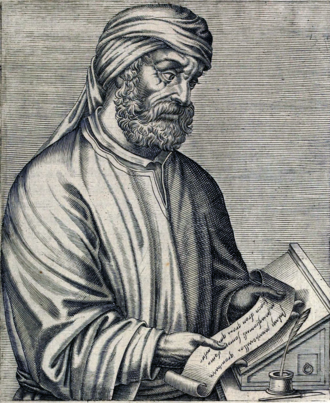
Tertullian · c. 155 – c. 220
Remaining treatises
c. 200–220 · Ante-Nicene Fathers vol. 4 (1885) · translated from the Latin
18pages
6 h 21 minreading time
181passages linked to Scripture
1,106links to verses
Contents
- On the Pallium.1
- Chapter I.—Time Changes Nations' Dresses—and Fortunes.1
- Chapter II.—The Law of Change, or Mutation, Universal.1
- Chapter III.—Beasts Similarly Subject to the Law of Mutation.1
- Chapter IV.—Change Not Always Improvement.1
- Chapter V.—Virtues of the Mantle. It Pleads in Its Own Defence.1
- Chapter VI.—Further Distinctions, and Crowning Glory, of the Pallium.2
- Book I.2
- Chapter I.—Introduction. Modesty in Apparel Becoming to Women, in Memory of the Introduction of Sin into the World Thro2
- Chapter II.—The Origin of Female Ornamentation, Traced Back to the Angels Who Had Fallen.2
- Chapter III.—Concerning the Genuineness of "The Prophecy of Enoch."2
- Chapter IV.—Waiving the Question of the Authors, Tertullian Proposes to Consider the Things on Their Own Merits.2
- Chapter V.—Gold and Silver Not Superior in Origin or in Utility to Other Metals.2
- Chapter VI.—Of Precious Stones and Pearls.2
- Chapter VII.—Rarity the Only Cause Which Makes Such Things Valuable.2
- Chapter VIII.—The Same Rule Holds with Regard to Colours. God's Creatures Generally Not to Be Used, Except for the Purp2
- Chapter IX.—God's Distribution Must Regulate Our Desires, Otherwise We Become the Prey of Ambition and Its Attendant Ev2
- Book II.3
- Chapter I.—Introduction. Modesty to Be Observed Not Only in Its Essence, But in Its Accessories.3
- Chapter II.—Perfect Modesty Will Abstain from Whatever Tends to Sin, as Well as from Sin Itself. Difference Between Tru3
- Chapter III.—Grant that Beauty Be Not to Be Feared: Still It is to Be Shunned as Unnecessary and Vainglorious.3
- Chapter IV.—Concerning the Plea of "Pleasing the Husband."3
- Chapter V.—Some Refinements in Dress and Personal Appearance Lawful, Some Unlawful. Pigments Come Under the Latter Head3
- Chapter VI.—Of Dyeing the Hair.3
- Chapter VII.—Of Elaborate Dressing of the Hair in Other Ways, and Its Bearing Upon Salvation.3
- Chapter VIII.—Men Not Excluded from These Remarks on Personal Adornment.3
- Chapter IX.—Excess in Dress, as Well as in Personal Culture, to Be Shunned. Arguments Drawn from I Cor. VII.3
- Chapter X.—Tertullian Refers Again to the Question of the Origin of All These Ornaments and Embellishments.3
- Chapter XI.—Christian Women, Further, Have Not the Same Causes for Appearing in Public, and Hence for Dressing in Fine3
- Chapter XII.—Such Outward Adornments Meretricious, and Therefore Unsuitable to Modest Women.3
- Chapter XIII.—It is Not Enough that God Know Us to Be Chaste: We Must Seem So Before Men. Especially in These Times of3
- On the Veiling of Virgins.4
- Chapter I.—Truth Rather to Be Appealed to Than Custom, and Truth Progressive in Its Developments.4
- Chapter II.—Before Proceeding Farther, Let the Question of Custom Itself Be Sifted.4
- Chapter III.—Gradual Development of Custom, and Its Results. Passionate Appeal to Truth.4
- Chapter IV.—Of the Argument Drawn from 1 Cor. XI. 5-16.4
- Chapter V.—Of the Word Woman, Especially in Connection with Its Application to Eve.4
- Chapter VI.—The Parallel Case of Mary Considered.4
- Chapter VII.—Of the Reasons Assigned by the Apostle for Bidding Women to Be Veiled.4
- Chapter VIII.—The Argument E Contrario.4
- Chapter IX.—Veiling Consistent with the Other Rules of Discipline Observed by Virgins and Women in General.4
- Chapter X.—If the Female Virgins are to Be Thus Conspicuous, Why Not the Male as Well?5
- Chapter XI.—The Rule of Veiling Not Applicable to Children.5
- Chapter XII.—Womanhood Self-Evident, and Not to Be Concealed by Just Leaving the Head Bare.5
- Chapter XIII.—If Unveiling Be Proper, Why Not Practise It Always, Out of the Church as Well as in It?5
- Chapter XIV.—Perils to the Virgins Themselves Attendant Upon Not-Veiling.5
- Chapter XV.—Of Fascination.5
- Chapter XVI.—Tertullian, Having Shown His Defence to Be Consistent with Scripture, Nature, and Discipline, Appeals to t5
- Chapter XVII.—An Appeal to the Married Women.5
- Book I.6
- Chapter I.—Design of the Treatise. Disavowal of Personal Motives in Writing It.6
- Chapter II.—Marriage Lawful, But Not Polygamy.6
- Chapter III.—Marriage Good: Celibacy Preferable.6
- Chapter IV.—Of the Infirmity of the Flesh, and Similar Pleas.6
- Chapter V.—Of the Love of Offspring as a Plea for Marriage.6
- Chapter VI.—Examples of Heathens Urged as Commendatory of Widowhood and Celibacy.6
- Chapter VII.—The Death of a Husband is God's Call to the Widow to Continence. Further Evidences from Scripture and from6
- Chapter VIII.—Conclusion.6
- Book II.7
- Chapter I.—Reasons Which Led to the Writing of This Second Book.7
- Chapter II.—Of the Apostle's Meaning in 1 Cor. VII. 12-14.7
- Chapter III.—Remarks on Some of the "Dangers and Wounds" Referred to in the Preceding Chapter.7
- Chapter IV.—Of the Hindrances Which an Unbelieving Husband Puts in His Wife's Way.7
- Chapter V.—Of Sin and Danger Incurred Even with a "Tolerant" Husband.7
- Chapter VI.—Danger of Having to Take Part in Heathenish Rites, and Revels.7
- Chapter VII.—The Case of a Heathen Whose Wife is Converted After Marriage with Him Very Different, and Much More Hopefu7
- Chapter VIII.—Arguments Drawn Even from Heathenish Laws to Discountenance Marriage with Unbelievers. The Happiness of U7
- On Exhortation to Chastity.8
- Chapter I.—Introduction. Virginity Classified Under Three Several Species.8
- Chapter II.—The Blame of Our Misdeeds Not to Be Cast Upon God. The One Power Which Rests with Man is the Power of Volit8
- Chapter III.—Of Indulgence and Pure Volition. The Question Illustrated.8
- Chapter IV.—Further Remarks Upon the Apostle's Language.8
- Chapter V.—Unity of Marriage Taught by Its First Institution, and by the Apostle's Application of that Primal Type to C8
- Chapter VI.—The Objection from the Polygamy of the Patriarchs Answered.8
- Chapter VII.—Even the Old Discipline Was Not Without Precedents to Enforce Monogamy. But in This as in Other Respects,8
- Chapter VIII.—If It Be Granted that Second Marriage is Lawful, Yet All Things Lawful are Not Expedient.8
- Chapter IX.—Second Marriage a Species of Adultery, Marriage Itself Impugned, as Akin to Adultery.8
- Chapter X.—Application of the Subject. Advantages of Widowhood.8
- Chapter XI.—The More the Wives, the Greater the Distraction of the Spirit.9
- Chapter XII.—Excuses Commonly Urged in Defence of Second Marriage. Their Futility, Especially in the Case of Christians9
- Chapter XIII.—Examples from Among the Heathen, as Well as from the Church, to Enforce the Foregoing Exhortation.9
- On Monogamy.9
- Chapter I.—Different Views in Regard to Marriage Held by Heretics, Psychic, and Spiritualists.9
- Chapter II.—The Spiritualists Vindicated from the Charge of Novelty.9
- Chapter III.—The Question of Novelty Further Considered in Connection with the Words of the Lord and His Apostles.9
- Chapter IV.—Waiving Allusion to the Paraclete, Tertullian Comes to the Consideration of the Ancient Scriptures, and The9
- Chapter V.—Connection of These Primeval Testimonies with Christ.9
- Chapter VI.—The Case of Abraham, and Its Bearing on the Present Question.9
- Chapter VII.—From Patriarchal, Tertullian Comes to Legal, Precedents.10
- Chapter VIII.—From the Law Tertullian Comes to the Gospel. He Begins with Examples Before Proceeding to Dogmas.10
- Chapter IX.—From Examples Tertullian Passes to Direct Dogmatic Teachings. He Begins with the Lord's Teaching.10
- Chapter X.—St. Paul's Teaching on the Subject.10
- Chapter XI.—Further Remarks Upon St. Paul's Teaching.10
- Chapter XII.—The Explanation of the Passage Offered by the Psychics Considered.10
- Chapter XIII.—Further Objections from St. Paul Answered.11
- Chapter XIV.—Even If the Permission Had Been Given by St. Paul in the Sense Which the Psychics Allege, It Was Merely Li11
- Chapter XV.—Unfairness of Charging the Disciples of the New Prophecy with Harshness. The Charge Rather to Be Retorted U11
- Chapter XVI.—Weakness of the Pleas Urged in Defence of Second Marriage.11
- Chapter XVII.—Heathen Examples Cry Shame Upon This "Infirmity of the Flesh."11
- On Modesty.12
- Chapter II.—God Just as Well as Merciful; Accordingly, Mercy Must Not Be Indiscriminate.12
- Chapter III.—An Objection Anticipated Before the Discussion Above Promised is Commenced.12
- Chapter IV.—Adultery and Fornication Synonymous.12
- Chapter V.—Of the Prohibition of Adultery in the Decalogue.12
- Chapter VI.—Examples of Such Offences Under the Old Dispensation No Pattern for the Disciples of the New. But Even the12
- Chapter VII.—Of the Parables of the Lost Ewe and the Lost Drachma.12
- Chapter VIII.—Of the Prodigal Son.13
- Chapter IX.—Certain General Principles of Parabolic Interpretation. These Applied to the Parables Now Under Considerati13
- Chapter X.—Repentance More Competent to Heathens Than to Christians.13
- Chapter XI.—From Parables Tertullian Comes to Consider Definite Acts of the Lord.13
- Chapter XII.—Of the Verdict of the Apostles, Assembled in Council, Upon the Subject of Adultery.13
- Chapter XIII.—Of St. Paul, and the Person Whom He Urges the Corinthians to Forgive.13
- Chapter XIV.—The Same Subject Continued.14
- Chapter XV.—The Same Subject Continued.14
- Chapter XVI.—General Consistency of the Apostle.14
- Chapter XVII.—Consistency of the Apostle in His Other Epistles.14
- Chapter XVIII.—Answer to a Psychical Objection.15
- Chapter XIX.—Objections from the Revelation and the First Epistle of St. John Refuted.15
- Chapter XX.—From Apostolic Teaching Tertullian Turns to that of Companions of the Apostles, and of the Law.15
- Chapter XXI.—Of the Difference Between Discipline and Power, and of the Power of the Keys.15
- Chapter XXII.—Of Martyrs, and Their Intercession on Behalf of Scandalous Offenders.16
- In Opposition to the Psychics.16
- Chapter I.—Connection of Gluttony and Lust. Grounds of Psychical Objections Against the Montanists.16
- Chapter II.—Arguments of the Psychics, Drawn from the Law, the Gospel, the Acts, the Epistles, and Heathenish Practices16
- Chapter III.—The Principle of Fasting Traced Back to Its Earliest Source.16
- Chapter IV.—The Objection is Raised, Why, Then, Was the Limit of Lawful Food Extended After the Flood? The Answer to It16
- Chapter V.—Proceeding to the History of Israel, Tertullian Shows that Appetite Was as Conspicuous Among Their Sins as i16
- Chapter VI.—The Physical Tendencies of Fasting and Feeding Considered. The Cases of Moses and Elijah.16
- Chapter VII.—Further Examples from the Old Testament in Favour of Fasting.16
- Chapter VIII.—Examples of a Similar Kind from the New.16
- Chapter IX.—From Fasts Absolute Tertullian Comes to Partial Ones and Xerophagies.17
- Chapter X.—Of Stations, and of the Hours of Prayer.17
- Chapter XI.—Of the Respect Due to "Human Authority;" And of the Charges of "Heresy" And "Pseudo-Prophecy."17
- Chapter XII—Of the Need for Some Protest Against the Psychics and Their Self-Indulgence.17
- Chapter XIII.—Of the Inconsistencies of the Psychics.17
- Chapter XIV.—Reply to the Charge of "Galaticism."17
- Chapter XV.—Of the Apostle's Language Concerning Food.17
- Chapter XVI.—Instances from Scripture of Divine Judgments Upon the Self-Indulgent; And Appeals to the Practices of Heat17
- Chapter XVII.—Conclusion.18
- De Fuga in Persecutione.18